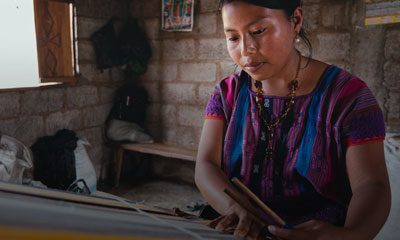
Part of the First Peoples Initiative vision for the Center for Missing and Murdered Indigenous Women includes establishing safe houses for Indigenous Women and Girls, so that these individuals have a place to go upon escaping from a life of being trafficked. However, more than only having a place to live, these homes will provide a safe, loving, nurturing environment for these females with a focus on helping these women heal from the trauma they experienced through a Jesus who came from the tribe of Judah and also through living in a loving Christ-centered community, so that these females can grow as disciples of Christ who make disciples of others. Part of the vision of this project is to see these girls/women who have been rescued, who are working on their healing, and who are following Jesus to help rescue other Indigenous females from being trafficked and to help them heal and grow as disciples of Christ as well.
These homes will be staffed with caring Christians who have gone through necessary training and vetting to work with Indigenous girls and women who are escaping from a life of sex trafficking. Each female who comes to live in a FPI safehouse will work with staff in each house to develop a personal healing/growth/and discipleship plan that they will implement and follow with the help, love, and oversight of staff in each facility. The focus of each facility will be to help each girl/woman incorporate aspects of Indigenous culture into their lives so long as these aspects of culture align with a Biblical worldview (contextualization) as the centers help these females meet, know, and follow Jesus.
According to the National Criminal Justice Training Center, 1) 40% of sex trafficking victims in the United States identified as Native American, despite being only 3% of the population. 2) Native Americans are nearly one-quarter of trafficking victims in New Mexico, despite making up only 11% of the population 3) Girls make up 78% of child sex trafficking victims in Hawaii, and nearly 83% of all child sex trafficking victims identify as all or part Native Hawaiian and 4) Indigenous children were 5.8 times more likely to be reported victims of trafficking as compared to White children.