This article is from the Converge Together 2026 commemorative book Converge: The Story of a Movement.
Through Converge’s 312 church planting goal, new expressions of God’s church bring the gospel to communities around the U.S.—and the globe.
Converge’s regions committed to deploying 312 church planters within five years. When each congregation grows to 200 people, at least 62,000 people will be impacted with the gospel of Jesus Christ. By God’s grace—and the obedience of those answering His call—that goal is being fulfilled!
Meet four of the hundreds of church plants that are helping people of various ethnicities, generations, and backgrounds meet, know, and follow Jesus.
“There was danger of death for them, so they fled”
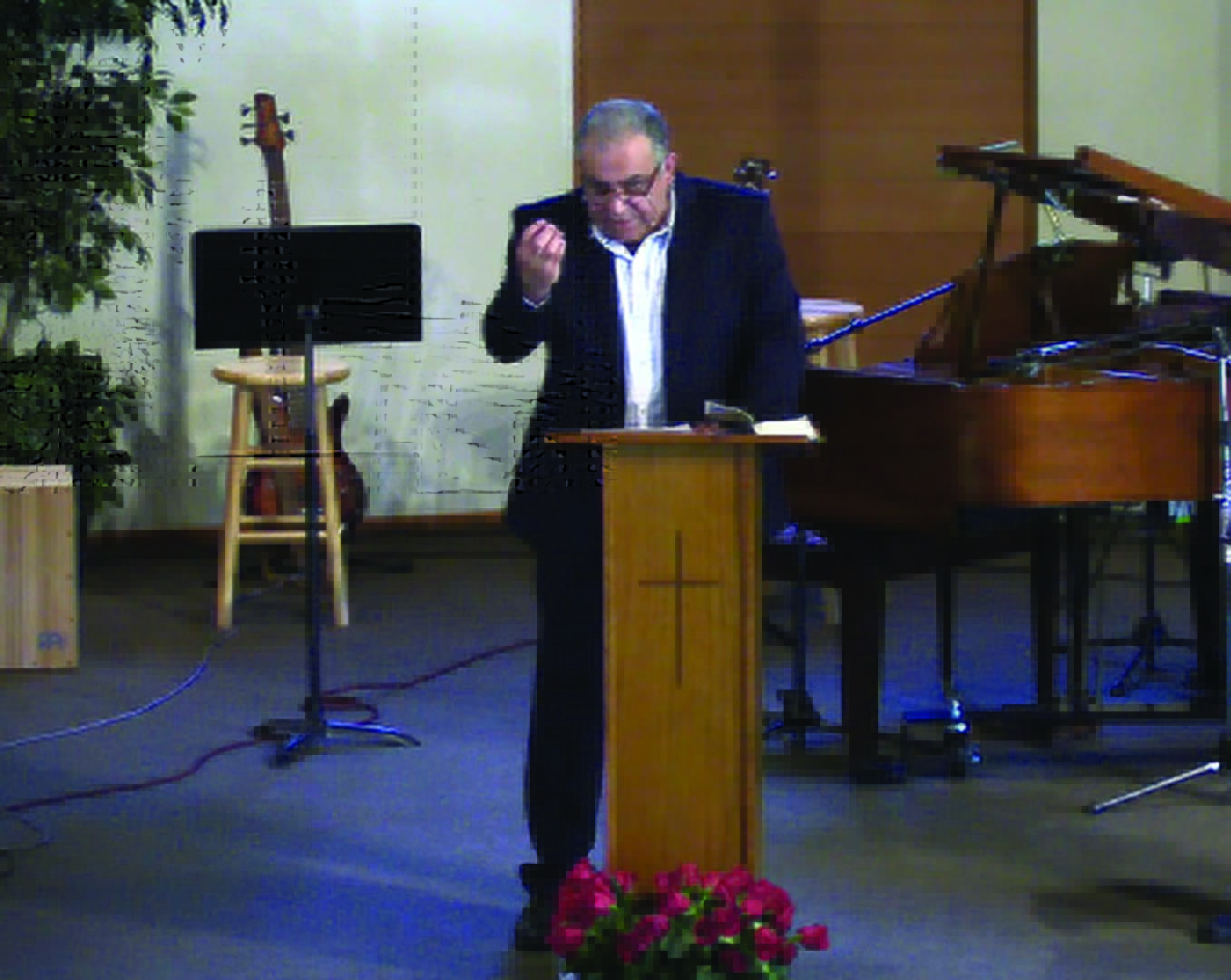
Eternal King Church, Kenmore, Washington
The Puget Sound region of Washington state is a new home to more than 10,000 Farsi speakers who have resettled there. Eternal King Church was born in 2020 as the only church in the area dedicated to reaching these immigrants.
From their earliest gatherings, the congregation felt motivated to plant other churches among Farsi speakers worldwide. So they created a sister congregation, entirely online, for Farsi-speaking refugees in Turkey.
Through relationships in the virtual space, church planter Reza Pezeshkian says, several people at the Washington church have built close relationships with believers at a refugee camp near Ankara, Turkey.
“They were Muslims before, but now they believed in Christ,” Reza says of the 50 people at the second church. “There was danger of death for them in Iran, so they fled to Turkey.”
Reza himself was a refugee in Turkey more than a decade ago. While there, he once attended a church. Then he started listening to online preaching and reading the Bible. A few months later, he chose Jesus as Lord and Savior. The Pezeshkians were in Turkey for three years until they moved to Washington, and Reza maintained relationships to help Iranians worldwide step toward Jesus.
Reza uses Facebook, Instagram, Telegram, and YouTube to teach the refugees in Turkey about the Bible and to practice Christian counseling for those who are struggling.
“We are not just a church,” he says. “We are a global ministry.”
“Jesus prayed that we should become one”
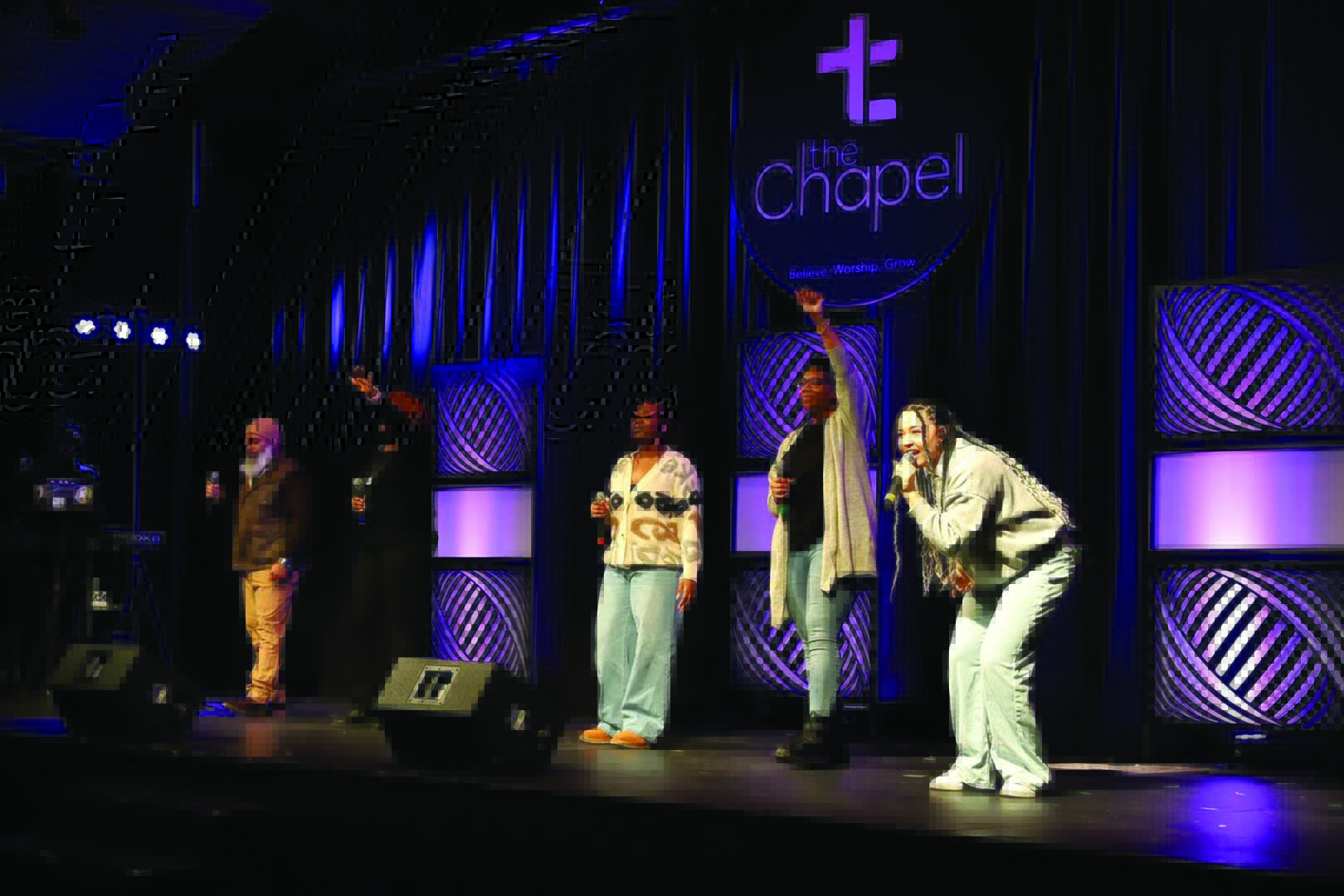
The Chapel, Middletown, Pennsylvania
“Some people say heaven’s multiethnic, so our church should be. And I’m like, Walmart is multiethnic, Target is multiethnic, the gas station we go to is multiethnic,” says church planter Larry Colbert. “Our church shouldn’t be anything other than a reflection of what is in our community.”
Even before Larry and his wife, Julia, planted The Chapel, their vision was to create a community that would model biblical unity. In a polarizing period like the present, biblical unity means emphasizing that our identity is found in Christ, not politics.
“As a child of God, the more red you become, the less likely you are to pray for someone who is blue, and the more blue you become, the less likely you are to pray for someone who is red. But Jesus prayed that we should become one,” he says.
Larry tries to be proactive before especially polarizing times. Before the 2024 presidential election, he preached a six-week sermon series called Divided Church. Now, whenever new issues arise, he can refer to the series to remind the congregation of what they talked about.
“The church is the one place that is called to be a faithful light, ready to bring Good News to the poor, to bind up the brokenhearted, to proclaim liberty to the captives,” Larry says, quoting Isaiah 61:1. “This is our calling and purpose.”
“That place where people know they can go”
Arrows Church, Papillion, Nebraska
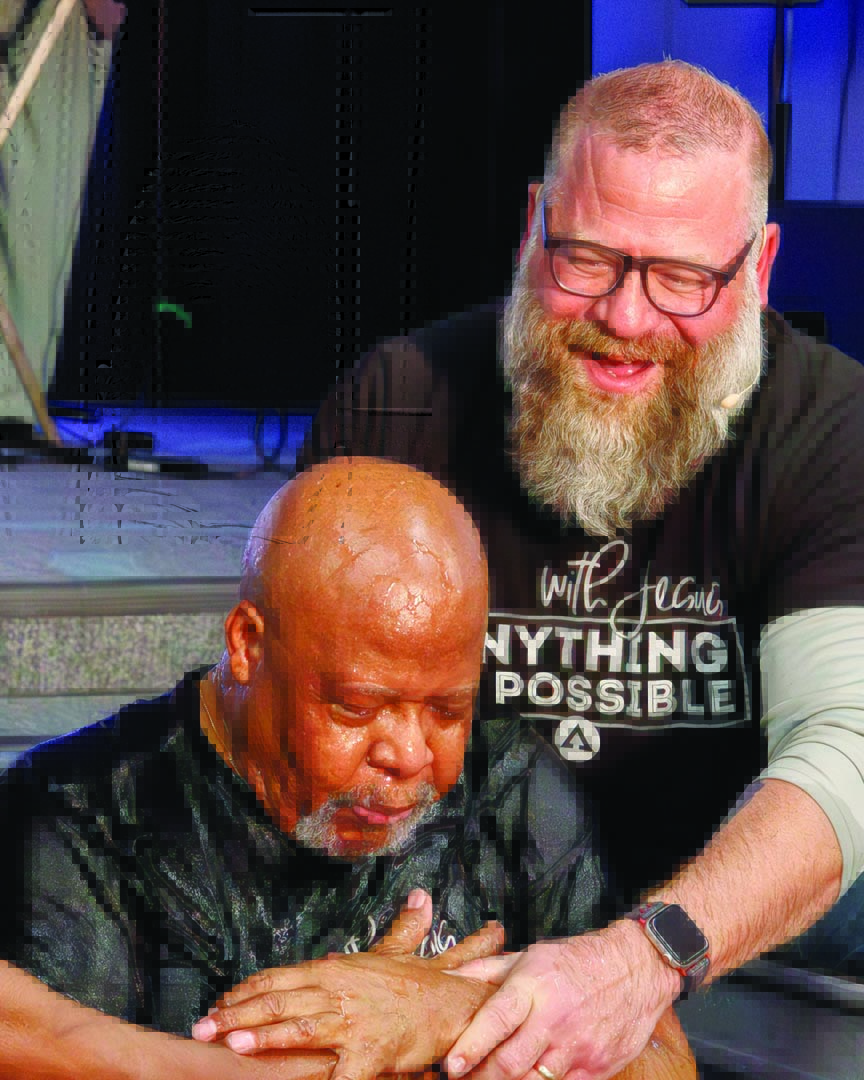
In a community that draws on its Catholic history, church planter Robert Conn says, “I can share the gospel, and still, people come up to me after the service. They’ve never heard it. There’s still that raw need for the gospel in its truest form.”
Like many more affluent communities, people in Papillion, Nebraska, cope with life’s hardships differently. Some choose comforts like idolizing kids’ sports or Cornhuskers football. Others choose drugs or alcohol to manage their struggles.
Within their geographic area, Arrows Church has specifically chosen to serve military families from Offutt Air Force Base as well as the first responder community. Robert’s dad was a police officer for his entire career.
“There are unique challenges in those communities,” Robert says. “We just want to be that place where people know they can go. How cool would it be if people just knew, ‘Hey, Arrows Church, that’s where you go’?”
Robert’s wife, Shelly, says people tell her they see something different at Arrows. They tell her after worship how they felt God’s presence.
“We’ve been here for over 10 years, building those relationships with people who are not in church,” Shelly says. “We’re seeing families come because of Jesus and the relationships we’ve built. We can look at those families and have hope.”
“Kingdom culture unites both generations”
Social Church, Buckeye, Arizona
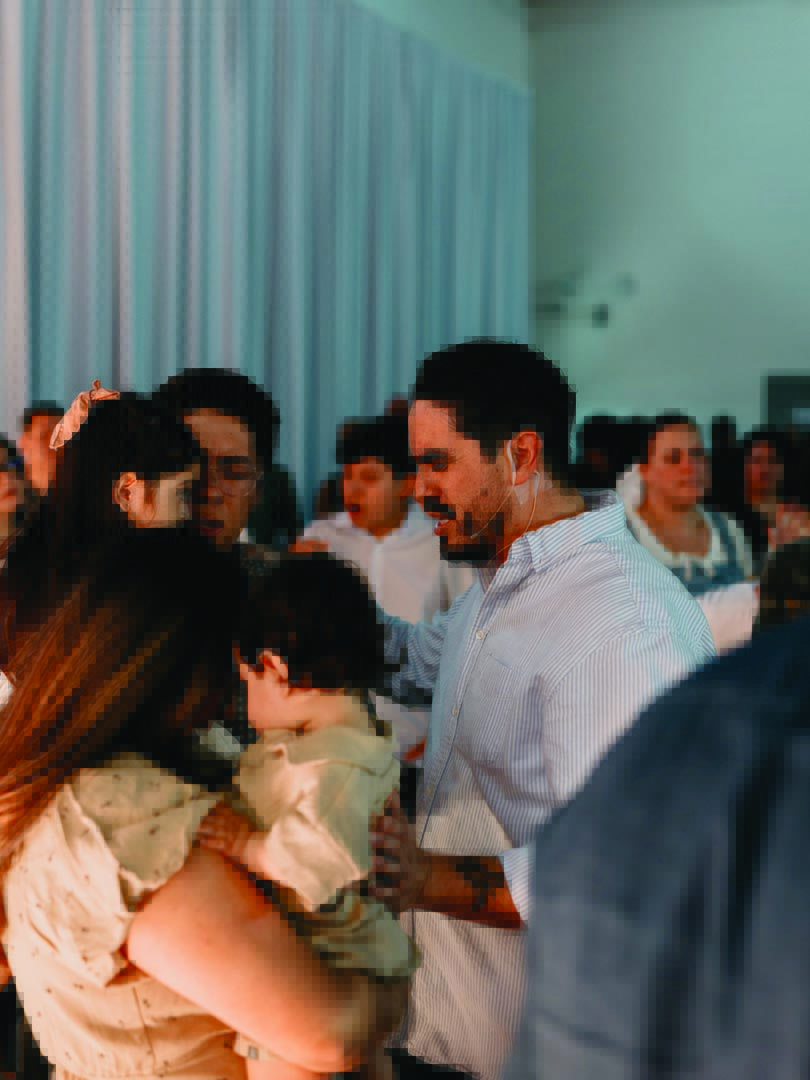
“As a third-culture kid, you’re part of neither culture. I know what it’s like not to belong,” says Fernando Mejia, pastor of Social Church.
Fernando’s father, a first-generation Mexican American, planted a church in the Phoenix region in Fernando’s childhood. When Fernando was in sixth grade, the family returned to Mexico to assist in yet another church plant.
Though Phoenix has many Spanish-speaking churches, Fernando believes churches focusing only on first-generation Hispanic immigrants don’t always hit home to second- or third-generation immigrants, who might speak only English. Choosing between Spanish and English services means someone in the family doesn’t hear the gospel in their heart language.
“So we started praying: God, how can we build something for the next generation? Mexican Americans don’t need to die to their Mexican culture nor their American culture. Kingdom culture unites both.”
Fernando and his wife, Nicole, planted Social Church as a dual-language congregation. That way, Hispanic people can feel at home regardless of their generation or heart language. All the worship services and the church’s communications are in both Spanish and English.
“A dual-language ministry can effectively reach the entire family for Christ,” Fernando says. “Because everyone needs a place to belong.”
Get real-world training in church planting
Called to plant a church? Complete a church planting residency to prepare for the challenges of ministry leadership.