

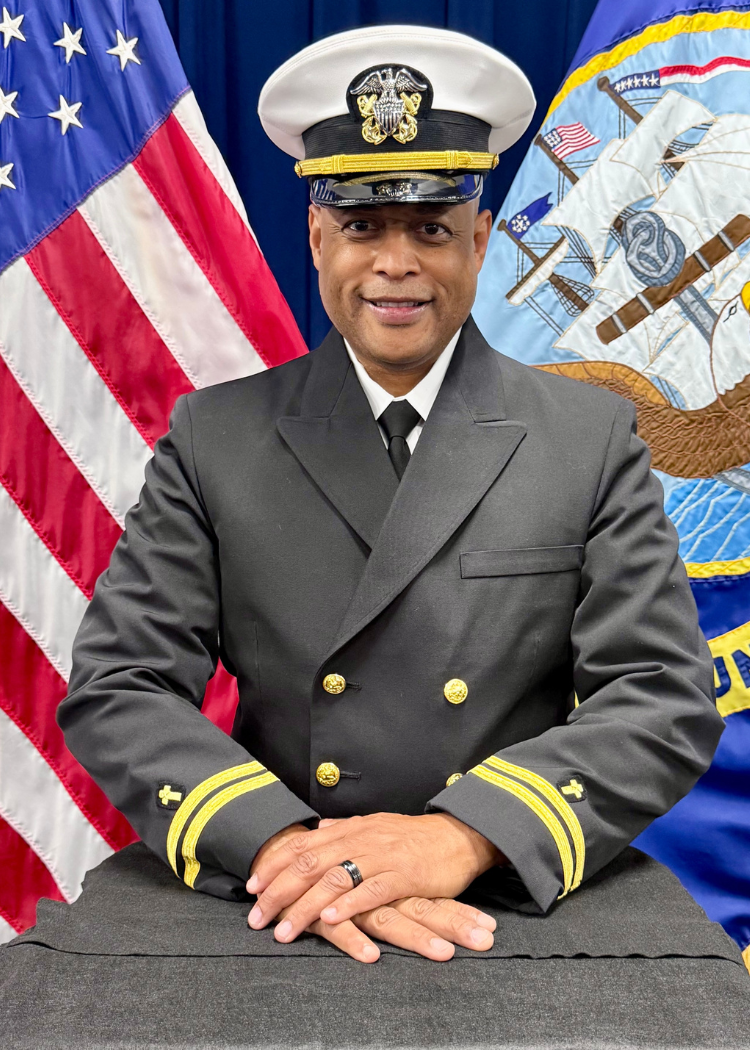
For many professionals, arriving to their late fifties is a season of life to summit the corporate ladder, relish greater financial security, enjoy the empty nest or even move to be closer to the grandkids or aging parents.
But listening to the Holy Spirit and a multitude of counselors, Dr. Neal Henderson, 58, chose to flip that script on its head.
A native of the Washington, D.C., area, Henderson’s life and calling reflect a deep commitment to faith, leadership and service. Years ago, Henderson’s need for glasses dashed his dream of becoming a pilot in the Air Force like his father, a jet engineer and mechanic. After earning a degree in electrical engineering, Henderson obtained his Master of Divinity degree, followed by a Doctor of Ministry.
Ordained by Converge President John K. Jenkins, Sr. of First Baptist Church of Glenarden, Maryland, Dr. Henderson has devoted more than three decades to pastoral ministry. He has served faithfully as a bi-vocational pastor, including many years as an associate minister at FBCG and, most recently, as the senior pastor of an inner-city church in Baltimore, where he provided visionary leadership and shepherded a diverse congregation for a decade.
An Unexpected Call to the Navy
Decades into fruitful ministry, Henderson sensed God indicating the need for a next chapter. Henderson had already eliminated military chaplaincy as an option; when he’d sought to apply years before, he’d missed the age cutoff of 42.
But in 2024, a Navy officer reached out to Henderson via LinkedIn. Their chaplaincy needs were great— and with an unprecedented age waiver in place, would Henderson consider joining the reserves, or potentially even serve in active duty?
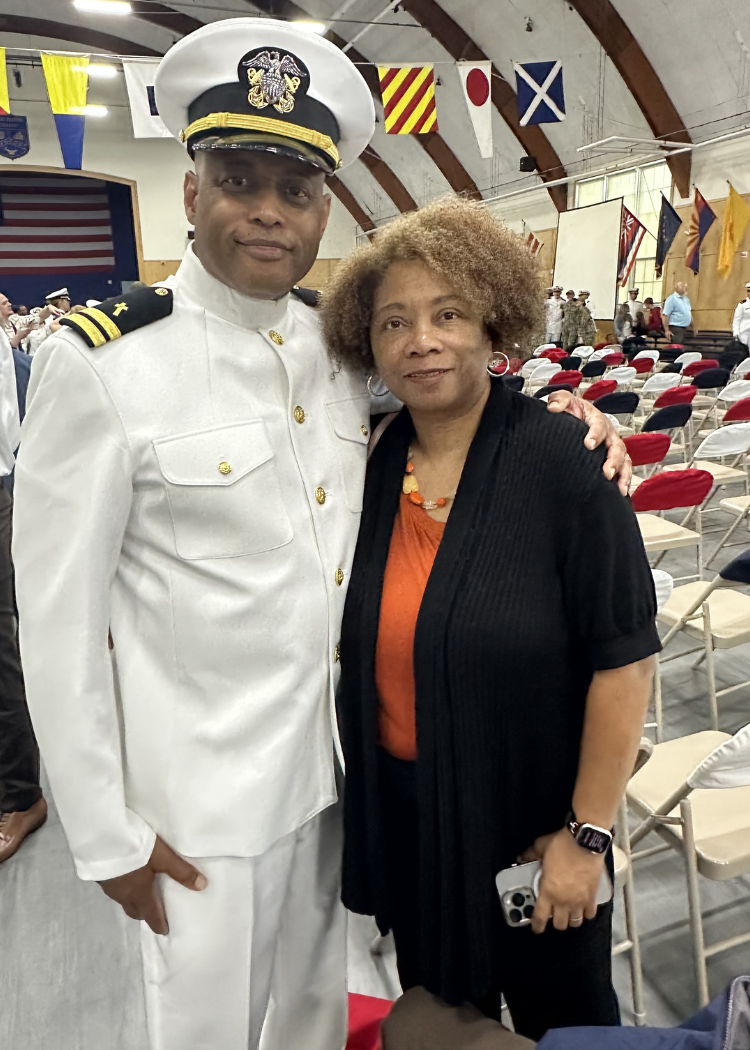
“Ultimately,” Henderson reflects, “my wife and I thought our change would be moving to the next phase in pastoral ministry. We had no thoughts it would be this!”
But through prayer, a multitude of counselors, his wife, Kimberly’s, perhaps unlikely buy-in and God’s confirmation through various open doors, “the still, small voice said, ‘This is what I want you to do next,’” Henderson said.
What God wanted Henderson to do was to join the Navy on a full-time, active duty basis. Henderson said yes.
“For years, I’ve said, ‘You don’t see what the Lord is doing now, but you’ll see it later.’ I tell everybody to operate in faith, to move mountains. In my life now, I’m being put to that test again.”
Henderson understands this move “doesn’t make any fiduciary sense or family sense. Our grandson just turned three; our daughter is pregnant with a second set of twins. My father is 89. And what wife in her right mind would have me drag her away from friends and family? Yet she lets me do that.”
This transition was no small ask for Henderson himself. Eventually, it became clear that active duty required little more than the reserves, and alternative ministry doors began closing. So at age 57, Henderson began the arduous process of interviews, aptitude tests, medical examinations geared toward those in their teens and twenties, intense physical training, Officer Training Boot Camp and Naval Chaplaincy School. He and Kimberly are selling their home in Maryland, having moved to the Midwest during the Windy City’s gray, cold winter days.
Yet Henderson felt convicted leaving family, friends and a growing ministry. Is this God’s plan for this season of my life and calling?
A Critical Ministry of Presence
For three years, service members’ felt needs have had one fewer chaplain at the Navy Surface Combat Systems Training Command (SCSTC) in Great Lakes, Illinois, where God has chosen to blend Henderson’s dual backgrounds in ministry and technical skills.
Henderson estimates he’s the only African-American lieutenant in the SCSTC’s command, let alone chaplain. Some of those servicemen and women—approximately 40% of them racial minorities, in the most diverse branch of the military—have never met and/or connected with a Black chaplain.
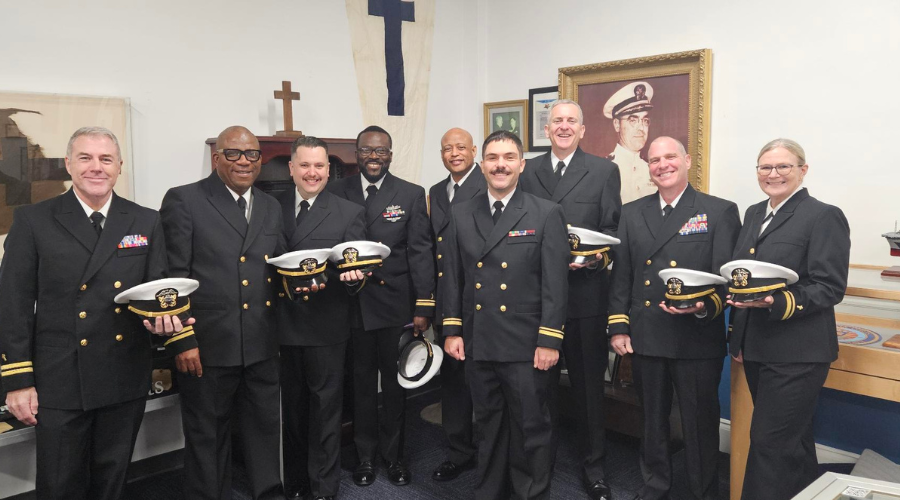
Henderson describes his job as largely counseling those who’ve never met the Jesus of the Bible. His recruits include a plethora of religious and non-religious students from various backgrounds.
“Kids are going through a lot. Many do not have a lot of spiritual undergirding and do not have the tools to make it through the stressors,” he said. “People are committing suicide regularly. They’re dealing with addiction, drugs, alcohol and physical and sexual abuse. Many we encounter are at their wits’ end.”
Henderson takes many calls and counseling sessions from sailors going through “some of the most egregious situations one can encounter.” Though veterans are 50% more likely to commit suicide, studies show, 60–70% of military personnel with mental health problems do not seek services. Mental health needs themselves are profound; in 2023, mental health disorders accounted for 54.8% of all service members’ hospital bed days.
In the end, Henderson describes chaplaincy as a “ministry of presence—a modern-day relational evangelism. I’m building connections with some people who’ve never dealt with a chaplain in their time in the service.”
This may not have been what popular culture indicates is the proper life plan for a well-established man of 58. But for one soul at a time, Henderson’s robust lifetime experience of walking with God makes all the difference in the world—and in eternity.
Converge currently endorses 60 chaplains for Federal chaplain ministry with the Army, Air Force, Navy, Veterans’ Administration and the Federal Bureau of Prisons. Learn more about the procedures and requirements to be a Converge chaplain.