This article is from the Converge Together 2026 commemorative book Converge: The Story of a Movement.
The goal of Converge International Ministries is not to plant churches around the world. It’s to raise up healthy leaders who start churches in their own communities.
Converge measures the growth of a gospel movement in four stages: from one person hearing the Good News to entire groups of communities having the opportunity to meet, know, and follow Jesus.
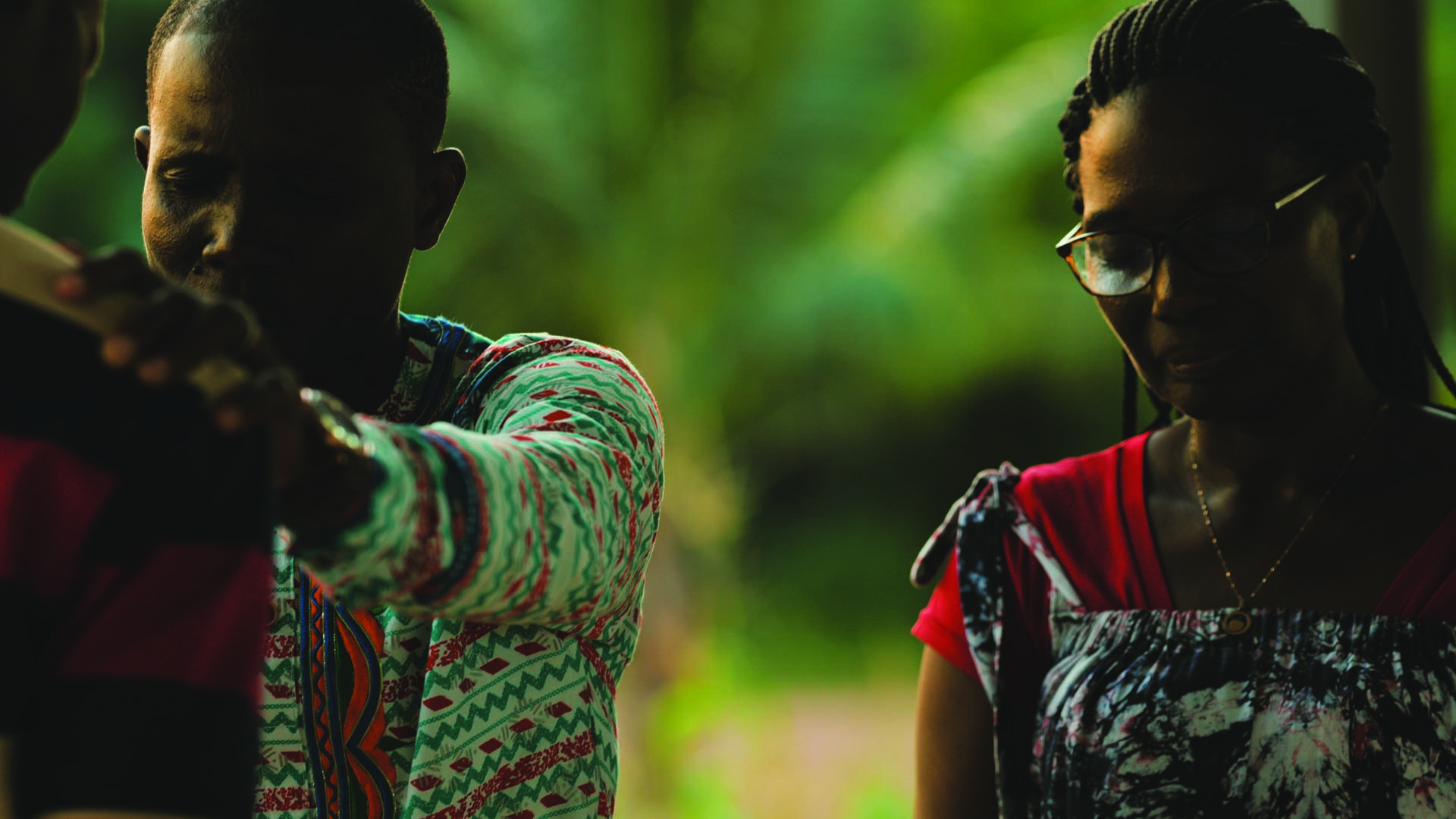
Stage 1: Raising up initial disciples
First Peoples Initiative, United States and Canada
God found James, a man from the Red Lake Indian Reservation, when James was in prison. When James returned home, people told him, “You changed.” Having previously been involved in gangs, he now wanted to tell people on his reservation that Jesus gives you hope. Among a people group with a suicide rate 2.5 times the U.S. average, hope can be elusive.
James started attending a church that Ryan O’Leary, leader of Converge’s First Peoples Initiative, was pastoring at the time. A month after Ryan baptized James, James was murdered. His life was cut short, but he had had a hope other young tribal people needed—and noticed.
Canada and the U.S. are home to more than 11.5 million First Peoples, many of whom carry intergenerational trauma from genocide, forced assimilation, and other historical losses. This trauma has created high rates of hopelessness, suicide, addiction, family brokenness, financial poverty, and early death.
The First Peoples Initiative works to not only bring the gospel to Indigenous peoples in North America but also build bridges between Native peoples and the whole body of Christ.
Ryan partners with like-minded leaders and ministries to make fruitful disciples of a Jesus who came from a tribe too—the tribe of Judah. He and the initiative team are planning a two-year Native church-planters cohort, and they facilitate trauma seminars and youth sports camps to share the gospel and make healthy, healed disciples. Ryan also teaches at Native American Bible colleges and preaches in both Native and non-Native contexts.
The First Peoples Initiative is in the earliest stages of a gospel movement: raising up more Jesus followers and creating healthy leaders.
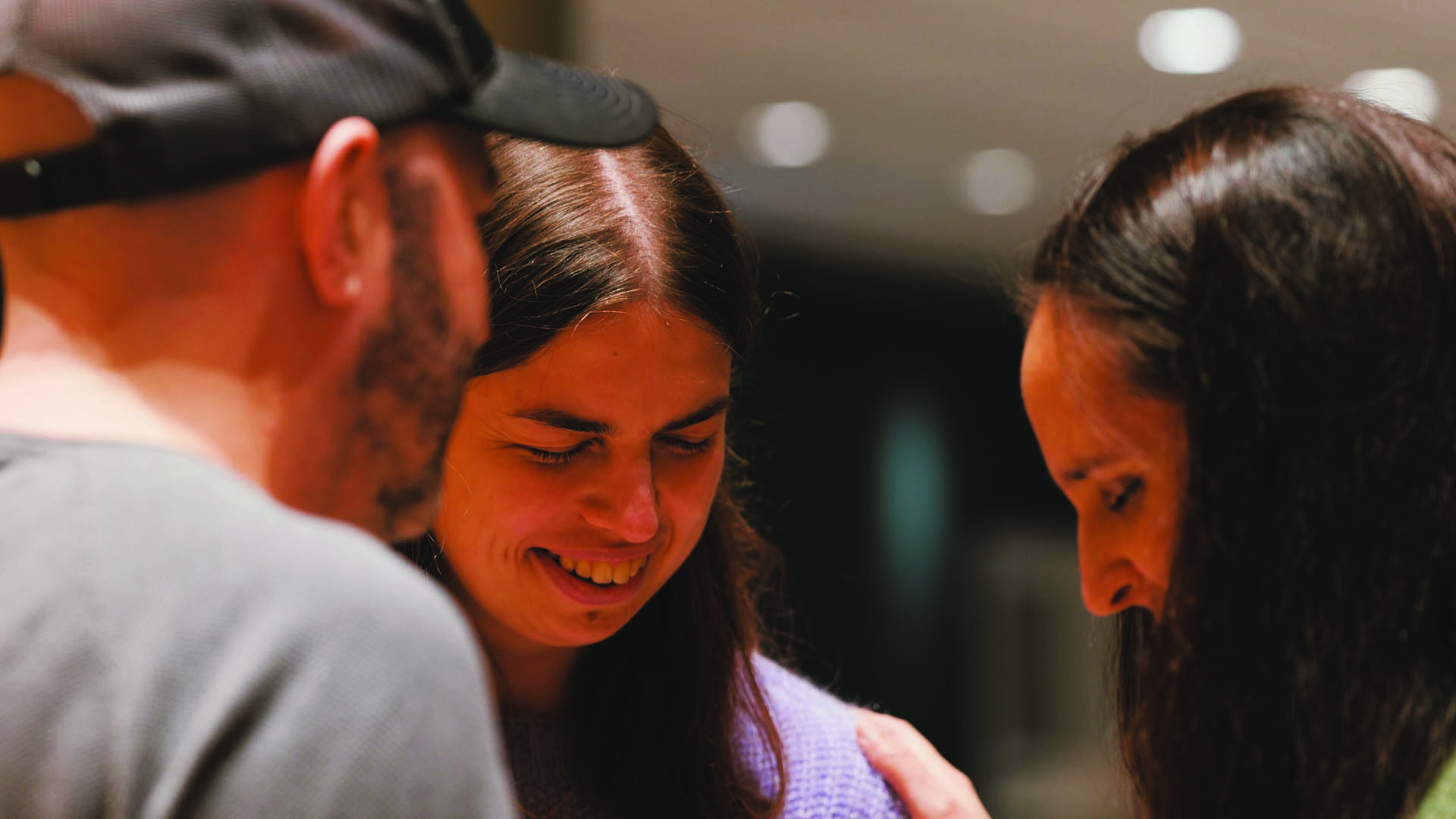
Stage 2: Local leaders replicating other leaders
Nordic-Baltic Initiative, Estonia
Einike started teaching Sunday school at age 9, at the church her father pastored in Estonia. She grew into leading camps and VBS as she got older. An active participant in youth ministry herself, she eventually got connected with Converge global workers Crick and Mindy Porier.
When she finished college, she wasn’t sure about moving back to her small town because there were no other believers there her age; she was the only Christian in their twenties there. At the same time, Crick and Mindy were preparing to launch the South Estonia Outreach Project, which would come alongside young leaders for development and encouragement. With this extra support, and the prayer “God, I don’t want to be alone,” she took a leap of faith and moved back home to do ministry.
And God sent her a co-leader.
Karl-Sander had discovered the Christian faith by watching a TikTok video, and he came to a Christmas service at Einike’s church seeking someone to teach him how to boldly share his faith with others. Now he and Einike lead youth ministry together and are mentoring 10 emerging leaders.
In the Baltic region, only 2–3% of people claim to be followers of Jesus. Decades of communist influence led to insular churches with little outreach. As a result, an entire generation was raised without knowledge of the Bible. Many of the young people Einike and Karl-Sander work with are hearing about Jesus for the first time.
As Einike begins to replicate herself by training more local leaders, the gospel movement continues to grow.
Stage 3: Local churches multiplying and expanding
6 Degree Initiative, Togo and Benin
Naka and her late husband, Jonas, planted New Life Church in 2009 after Converge global workers JJ and Melissa Alderman invited them to help start a ministry in the city of Aneho.
Aneho is known as the voodoo capital of the world. Voodooism is the basis for the social hierarchy, and people are often told that if they give up voodooism, “Voodoo will kill you.” Local church leaders often draw two circles in the dust to explain the two kingdoms, one of darkness and one of light, and invite people to step into the kingdom of light.
Jonas evangelized in a way like this to a man named Ben, who planted another church. Ben discipled Antoine, who planted yet another church. And so on. Jonas partnered with the Timothy Initiative to start a training center, and in two years, three churches multiplied into 25. After Jonas’ death, Naka felt called to continue his ministry.
As churches continue to replicate, Naka recognizes that some emerging leaders don’t have mentors. Through the 6 Degree Initiative, Converge global workers help provide training on leadership and discipleship. Naka is also bringing together pastors to work in unity as they contemplate how to share the gospel with more unreached people, until every village in Southern Togo has a church.
As Togolese church leaders continue to multiply themselves and begin to collaborate, Converge global workers are taking steps back into coaching and facilitating roles.
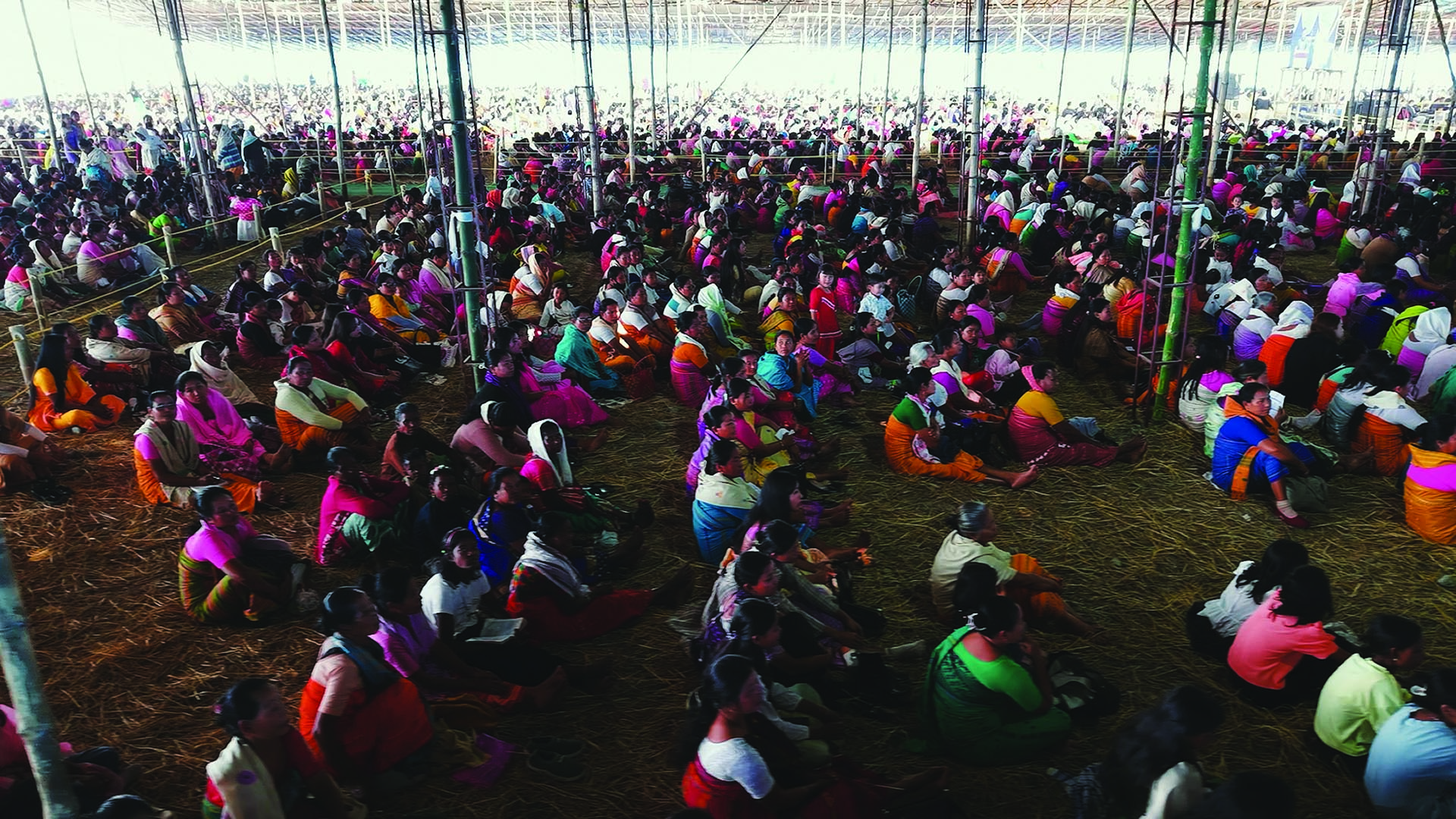
Stage 4: Self-replicating disciple-making movement
India
The first missionaries to India sent by Converge arrived in 1946. A gospel movement was underway, as Christian missions in India date back to the 1500s.
There were 121 Baptist churches in the North Bank area, so the Converge missionaries poured their efforts into medical and educational ministries. But soon another need became apparent: training for local pastoral leadership.
In 1954, the first Bible school was founded with 10 students. The school’s managing committee included local leaders and Converge missionaries. Although it wasn’t apparent at the time, this arrangement was the beginning of the local church independently training local leaders to replace foreign missionaries.
When China briefly invaded the North Bank eight years later, Converge missionaries were forced to leave temporarily. Local leadership was tested—and it held strong. As governmental pressure grew over the years, more missionaries left, and the first Indian national church leader was raised up.
Under national leadership, the Indian church continued to multiply. Today, the North Bank Baptist Christian Association sends its own missionaries to share the gospel with unreached tribal people groups. The Indian church is not without challenges; in a majority Hindu nation, Christians encounter violence, threats, and accusations of forced conversions. But the gospel continues to spread as people choose to put their hope in Jesus.
At Converge International Ministries, our goal is for global workers to make themselves obsolete. That’s exactly what God has achieved in India—from one person hearing the Good News to an entire people group collaborating to change more lives by Jesus, person by person.

Become a global worker
Live out the Great Commission by building up local leaders in regions that need the gospel. Contact us to learn more about becoming a global worker