
This article is from the Converge Together 2026 commemorative book Converge: The Story of a Movement.
Converge has moved forward by returning to our Pietist foundations of evangelism, missions, personal conversion, and lay mobilization
The pioneers who founded the Converge movement were convinced that the church exists to bring people to Christ. When they brought that vision with them to America in the 19th century, their urgency for evangelism became embedded in Converge’s DNA.
They preached and planted. They took Scripture to rural settlements. They cultivated living faith through small groups. In Swedish Baptist churches, revival meetings, testimony services, and prayer for lost neighbors were part of normal church life.
Across its history, Converge has experienced moments of remarkable advancement alongside periods of uncertainty, cultural pressure, and organizational strain. But history also reveals a pattern of renewal. Again and again, Converge moved forward not through reinvention but through rediscovery—a return to its Pietist foundations of evangelism, missions, personal conversion, and lay mobilization.
The pioneers’ spirit fades: 1940s
When Converge churches transitioned from worshipping in Swedish to worshipping in English, they experienced more than a language shift. They also experienced a loss of momentum.
In 1927, Converge counted 333 churches. By 1944 that number had fallen to 288. Assimilation, war, and financial uncertainty slowed a once-vibrant immigrant movement. Like other Scandinavian Baptist bodies, Converge wrestled with how to survive in a changing American landscape.
Many leaders assumed Converge would merge with other Baptist denominations. Yet other leaders sensed the issue was deeper.
In 1943, R. A. Arlander lamented how much of the pioneers’ “aggressive spirit” had faded. The future, he believed, would be secured not by absorption into a larger body but by reclaiming the movement’s original calling.
At the 1944 national conference at the Minnesota State Fairgrounds, that conviction prevailed. Rather than a merger, delegates chose independence. The decision recentered Converge around its evangelistic purpose: to win souls and plant churches.
A diverse generation emerges: 1950s
As the immigrant base aged, a younger, more diverse generation emerged. Billy Graham’s evangelistic crusades resonated deeply with them. While some church bodies distanced themselves from denominations with theological differences, Converge leveraged those opportunities to expand God’s kingdom.
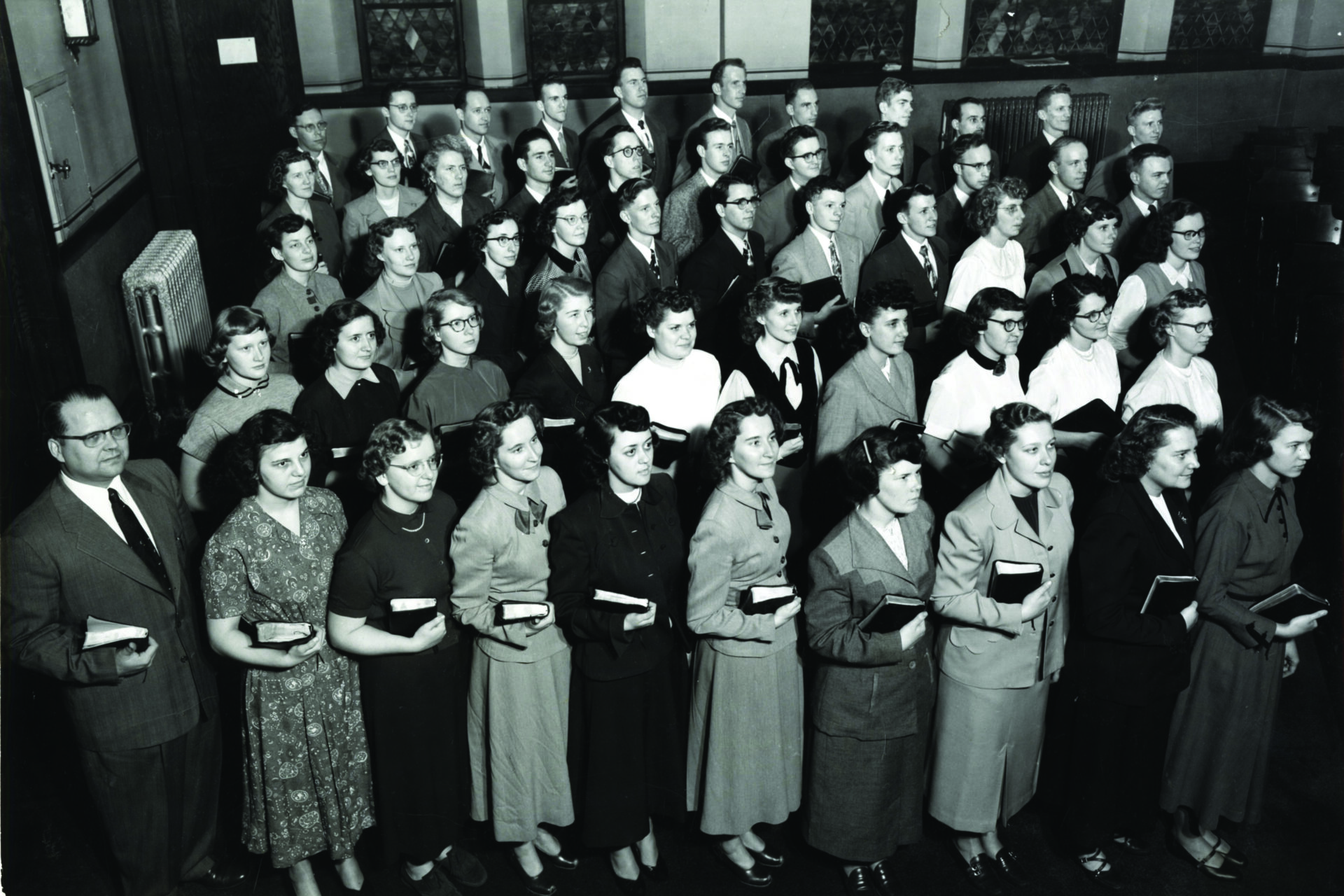
Returning GIs and a changing culture created new needs. Converge expanded family ministries, grew Sunday school, and used camping as a major evangelistic tool. Converge’s God’s Invasion Army trained young people in evangelism, while Conference Youth Fellowship connected Converge churches through rallies, conventions, and camps.
Rooted in the Pietist conviction that ordinary believers carry the gospel, Converge experienced theologically grounded growth.
Engaging culture, not retreating from it: 1960s and 1970s
War, social unrest, and shifting moral attitudes in the 1960s and 1970s created a volatile and rapidly changing culture. Converge’s identity was tested—and we chose engagement rather than retreat.
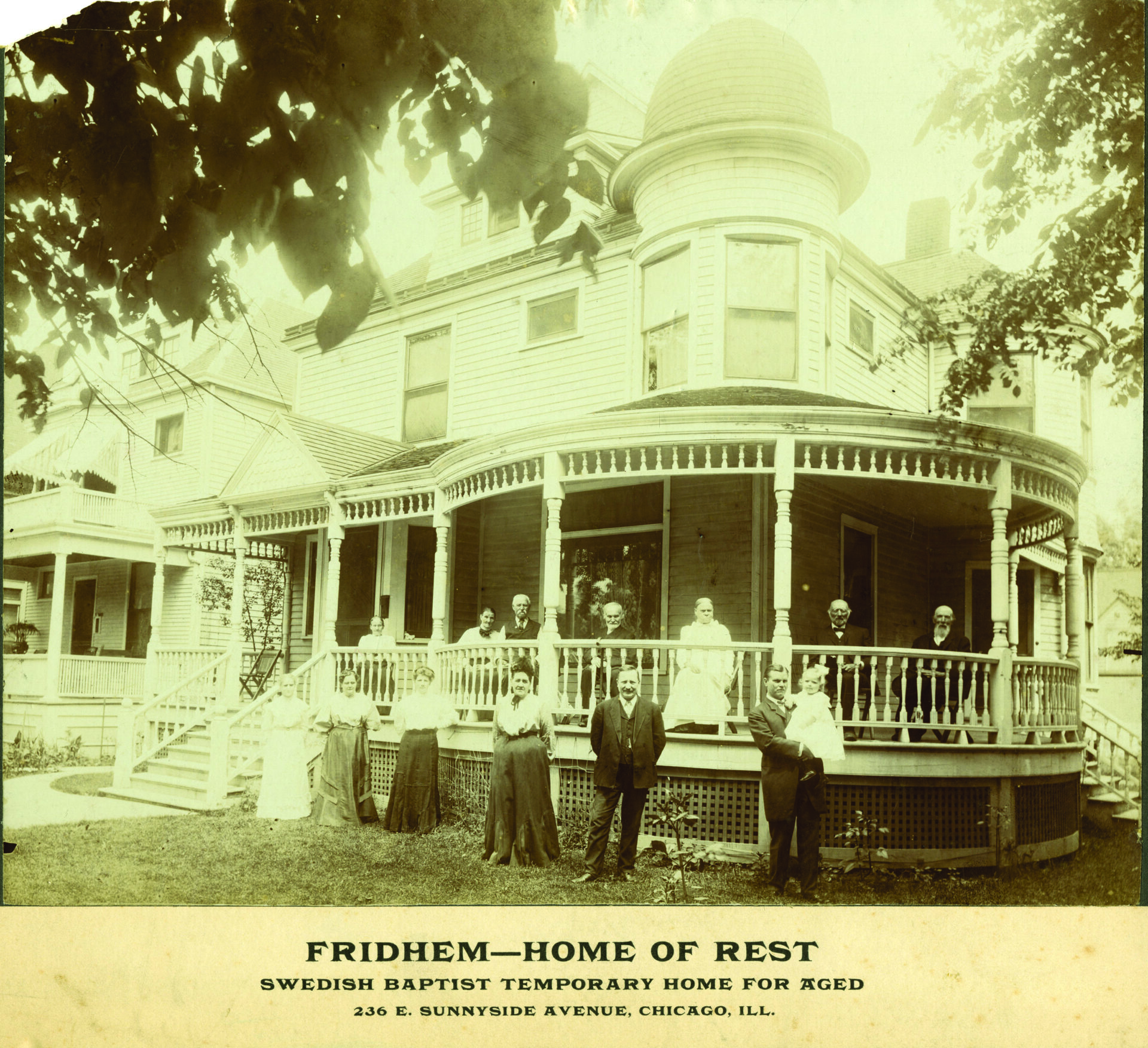
Converge expanded home missions through social services, hospitals, residential homes, counseling ministries, and growing women’s leadership. While some denominations hardened into partisan positions, Converge adopted a tone of grace, seeking to be salt and light.
Converge did not navigate every issue perfectly. But it demonstrated a consistent effort to hold firm to its theological moorings while responding thoughtfully to the cultural moment. At national meetings, delegates passed resolutions meant to provide clarity without abandoning charity—to remain anchored in conviction while ministering within a changing world.
The pioneers’ zeal becomes focused multiplication: 1980s to today
Much like the young leaders who shaped the pivotal decision of 1944, a new generation stepped forward in the 1980s. They developed systems for assessing, training, and coaching church planters, positioning Converge at the forefront of the church-planting movement and sending planters nationwide.
At the same time, the movement moved decisively beyond its Swedish roots. Churches multiplied among Native American, African American, African, Filipino, Vietnamese, Thai, Karen, Hmong, and Haitian communities across America. And in recent years, Converge International Ministries has extended its missionary posture within the U.S., equipping churches to engage immigrant, diaspora, and unreached people groups at home.
Most recently, partnerships such as that with the Wheaton College Billy Graham Center Church Evangelism Institute are helping churches cultivate lasting cultures of evangelism and discipleship. Just as the Swedish pioneers discovered, today’s multicultural church planters know that when ordinary believers carry the gospel into new communities, the movement finds its vitality.
Church planting, cross-cultural engagement, and lay mobilization are natural outworkings of Converge’s Pietist heritage—a movement convinced that faith must be personally experienced and missionally expressed. One day, in eternity, we will see the full picture of how God used the seeds of faith that Converge evangelists sowed across the decades.
Build a culture of evangelism in your church
Catalyze a two-year transformation process by inviting your pastor to attend a cohort with the Wheaton College Billy Graham Center Church Evangelism Institute.